
The kitchen renovation that helped shape the way I view design.
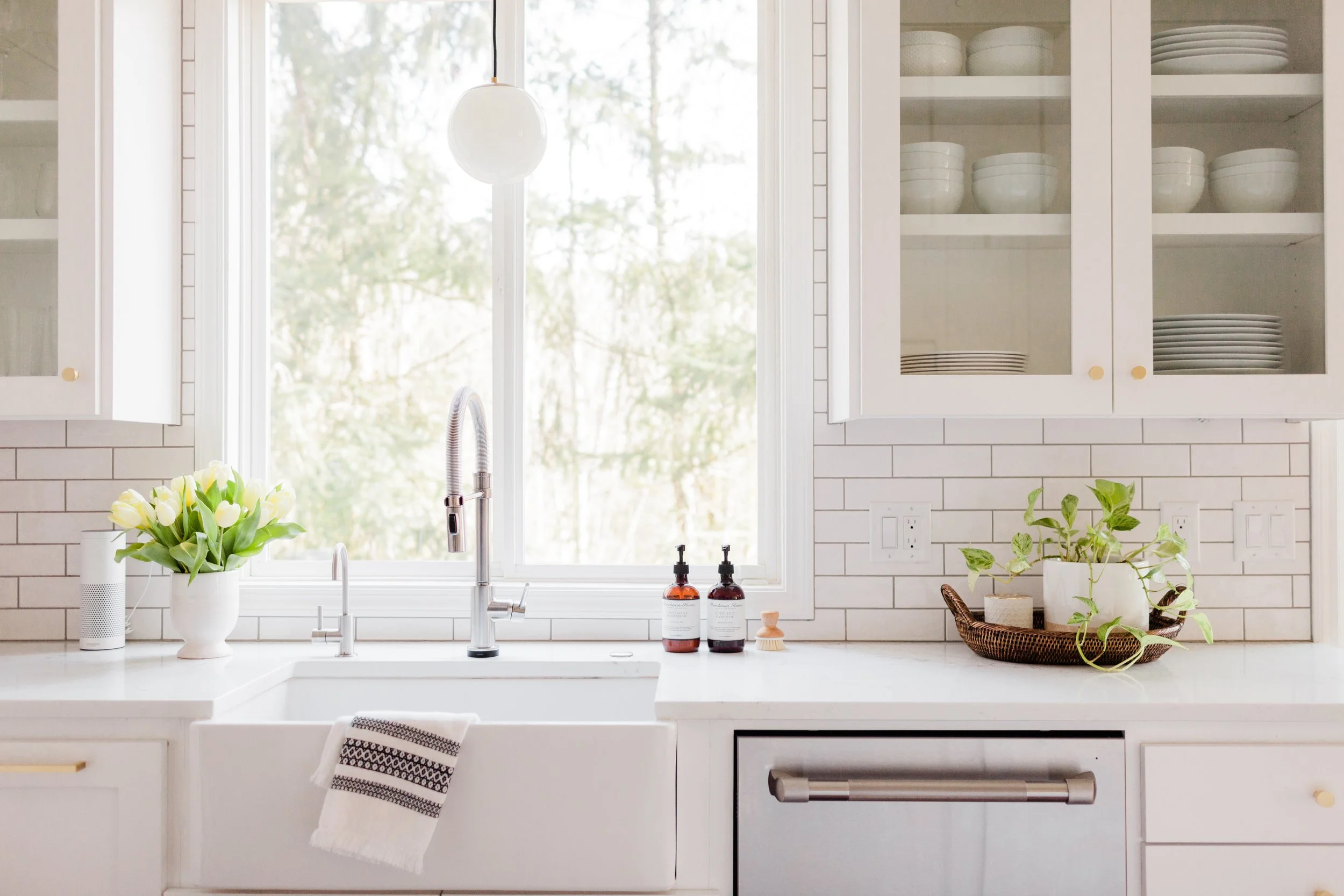
All interiors in this story are original work by Founder, Rachel Anderson, photographed by Evernew.
FROM BEFORE TO AFTER
The Mill Pond Kitchen Renovation
Have you ever walked into a space and been both impressed and bewildered at the same time? This kitchen was that for me. It was also my teacher. It taught me a lot about where functionality and beautiful design meet.
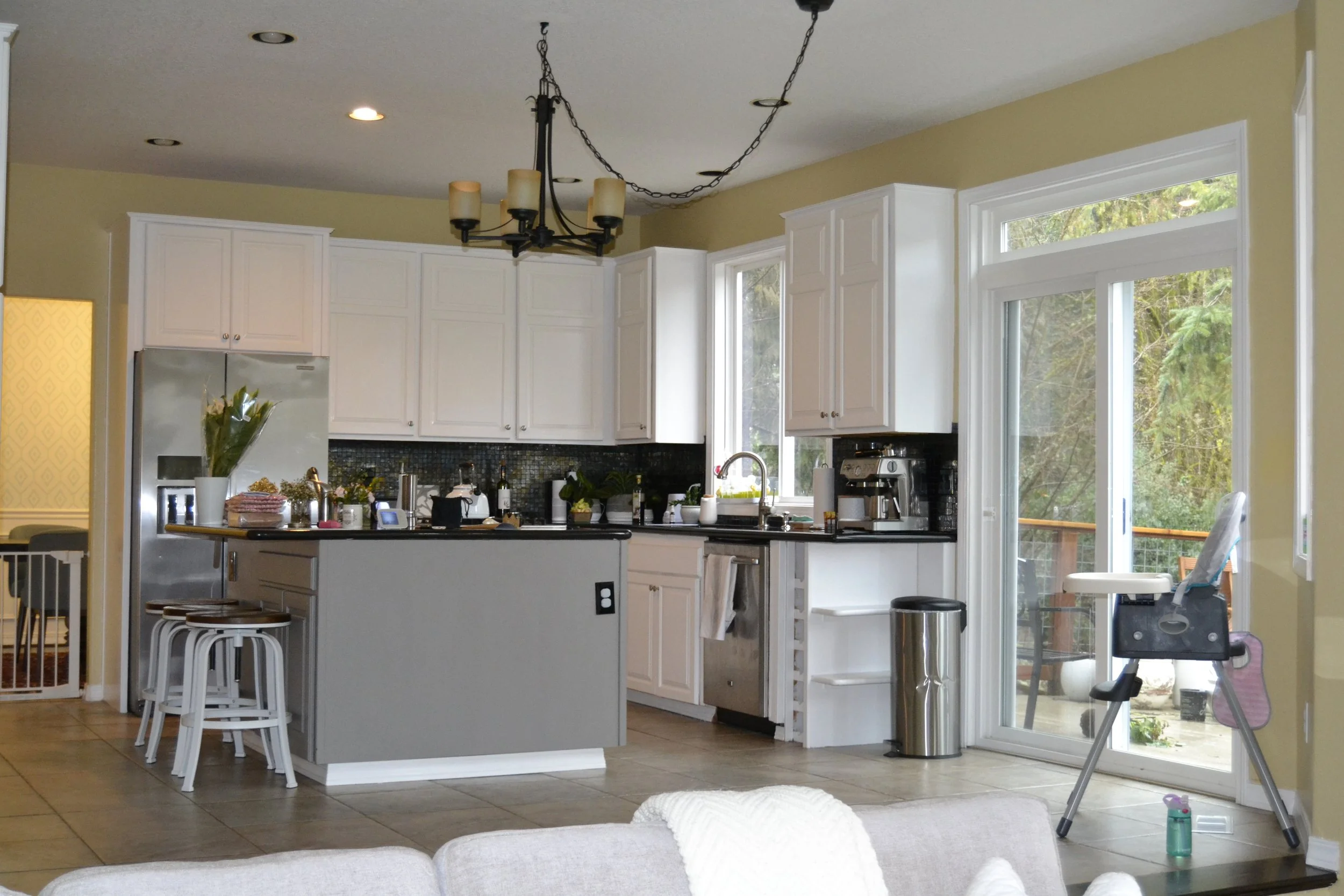
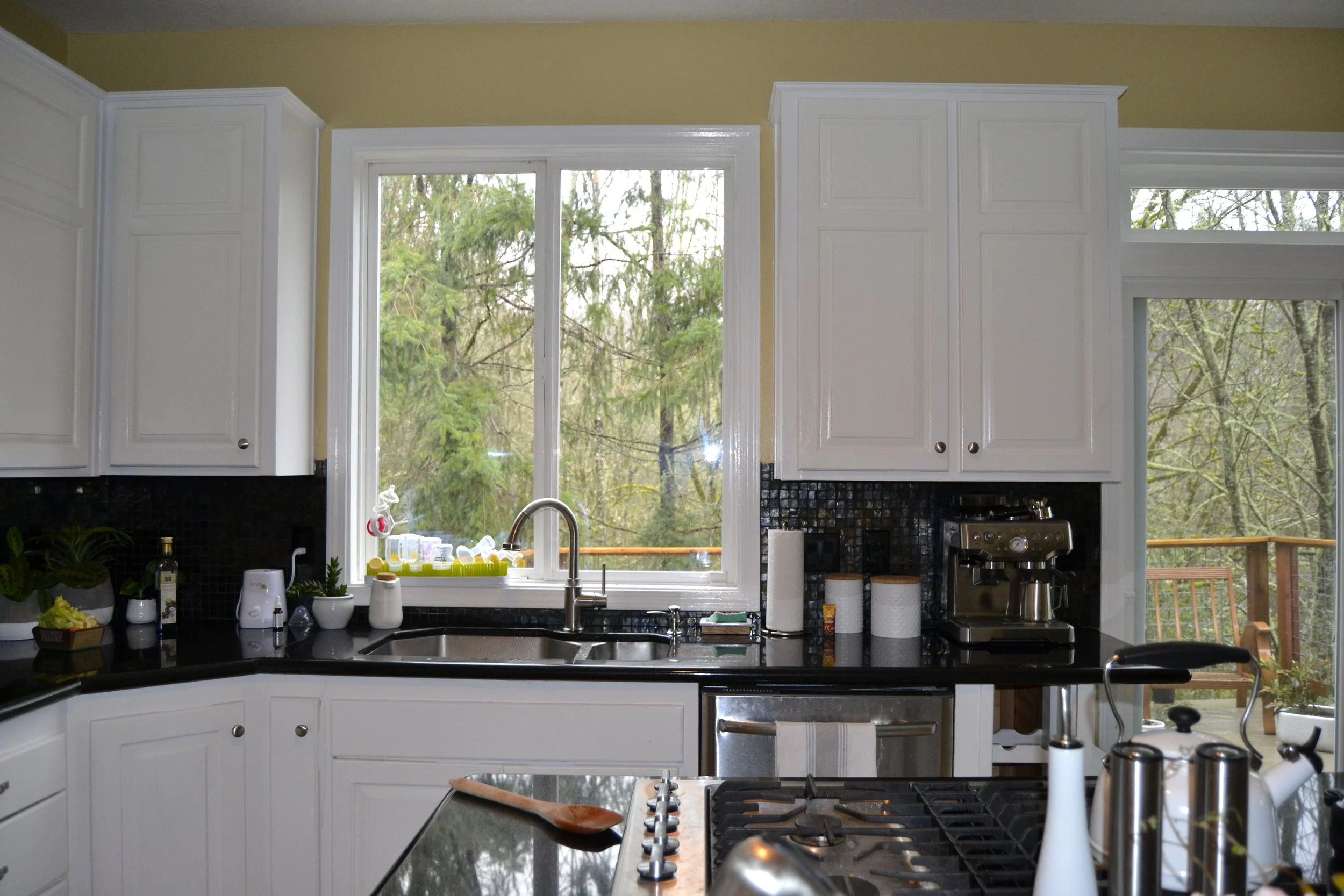
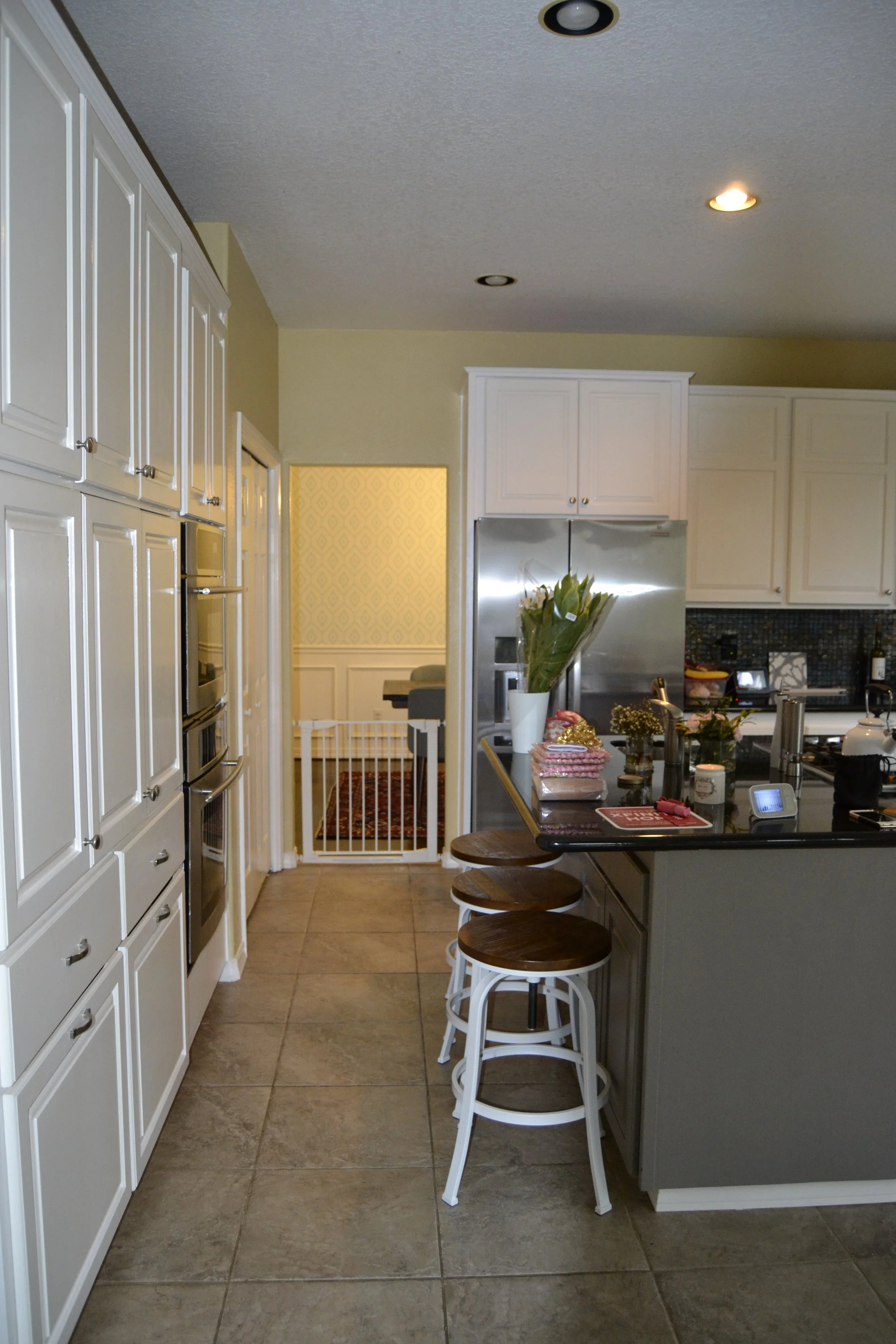
We moved into this house three weeks before welcoming our second child. With all the changes, we decided to hold off on renovations until we had settled in—but settling in was more challenging than expected. Newborn baby paraphernalia littered the space. Little hands and knees scooted around the cold tile floors. My husband and I bumped into each other nightly because there was no good way to the sink or cooktop once someone opened the fridge.
Six months was all we could withstand. Decisions were made. A contractor was hired.
And we moved our young family into the basement for the next few months of renovation. We were grateful for our little kitchenette to get us by, and we made a lot of silly memories during that one very chaotic summer.
Here’s how we got from the before to the after…


RETHINKING LAYOUTS AND FLOW
Designing From the Inside Out
Rather than changing the footprint simply for the sake of changing it, we started with a different question: How should this kitchen actually work? That question drove almost every decision that followed.
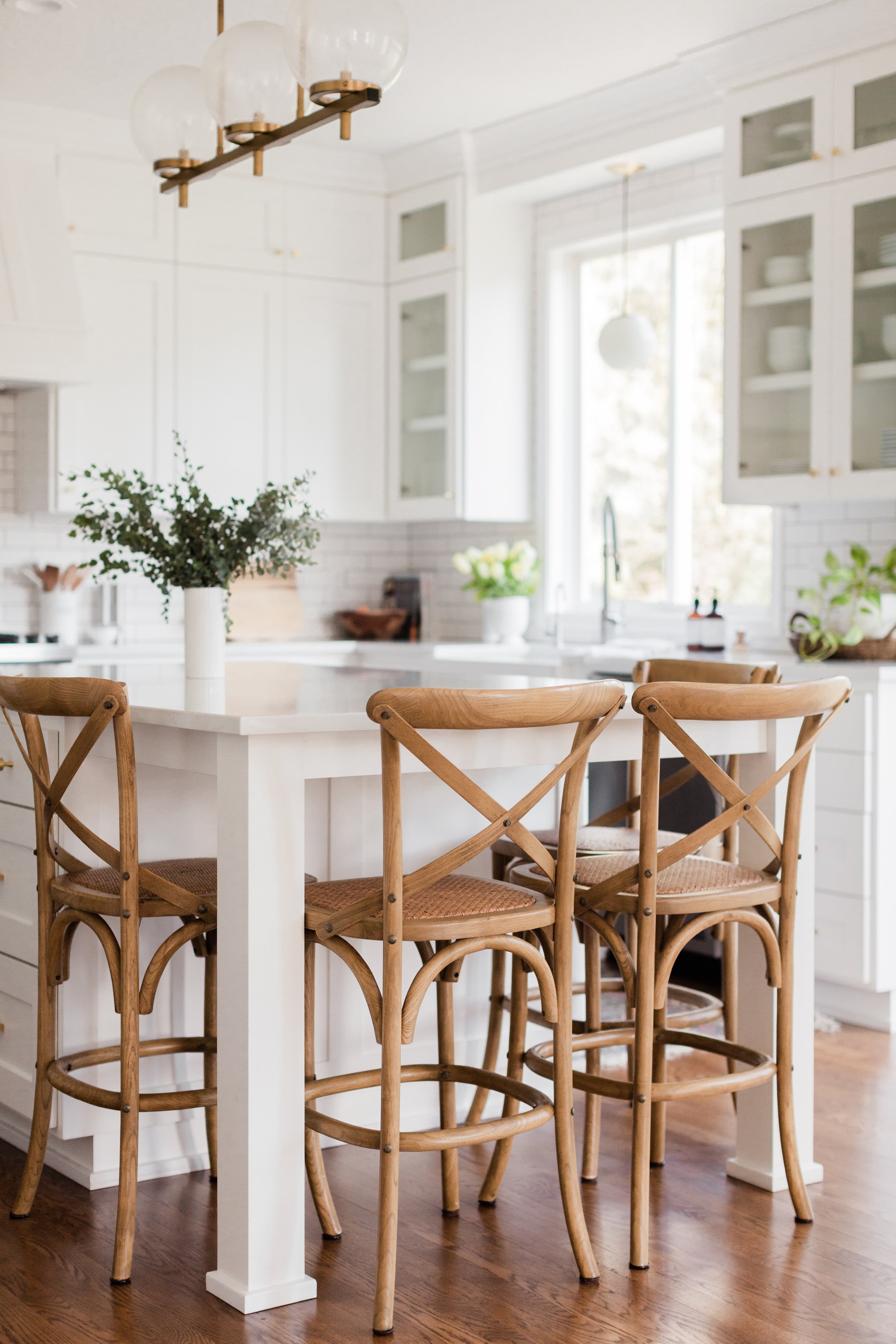
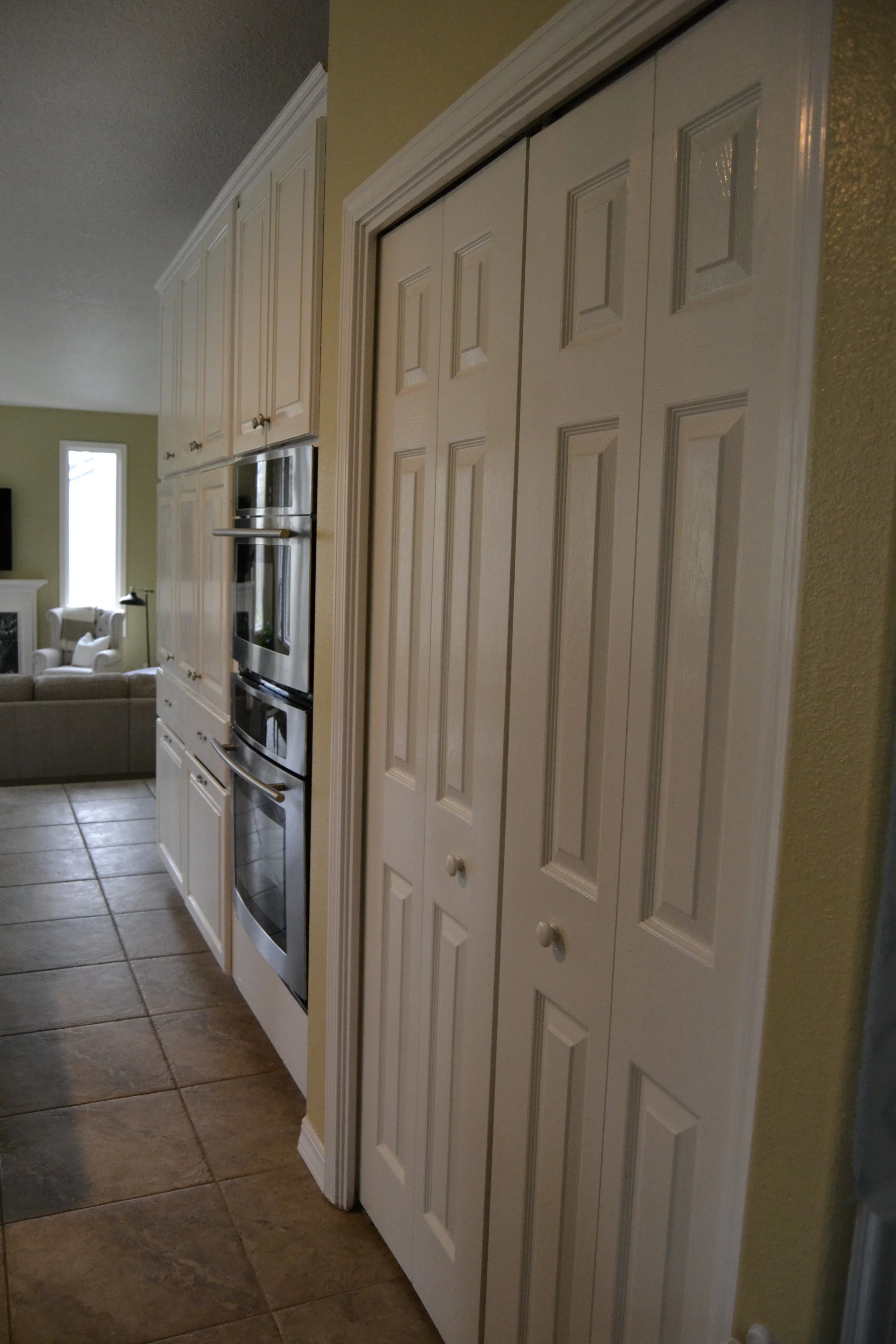
The refrigerator moved out of the primary cooking zone. The separate cooktop and wall ovens were replaced with a traditional range. The island was enlarged to provide both generous prep space and seating, creating a natural connection between the kitchen and family room.
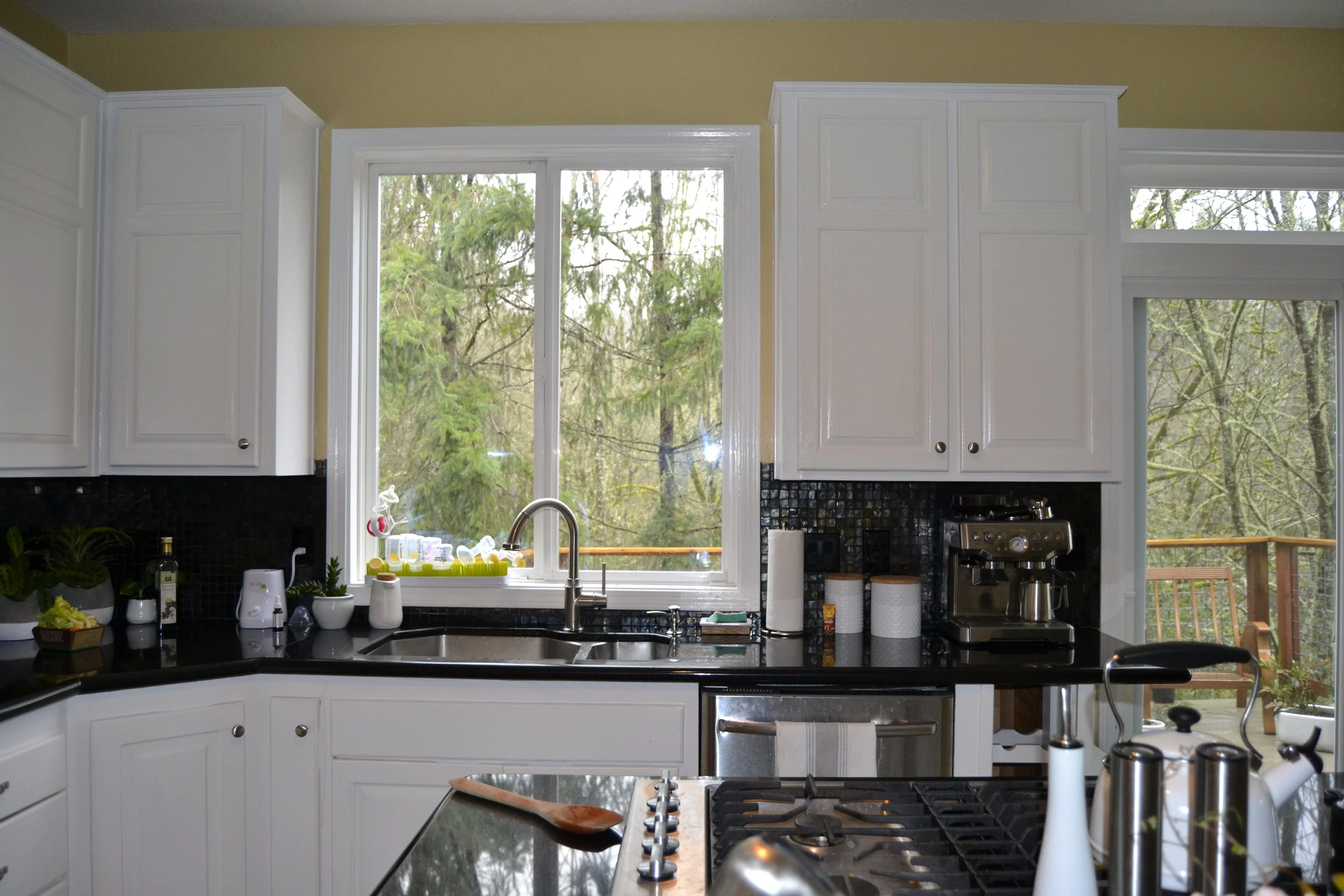
Even the flooring became part of the solution. The existing kitchen tile was replaced with oak flooring that continued from the adjoining rooms, allowing what once felt separate to read as one connected living environment.


TIMELESS, FUNCTIONAL DESIGN
Function Can Be Beautiful
Once the underlying problems were solved, the aesthetic decisions had room to do their job.
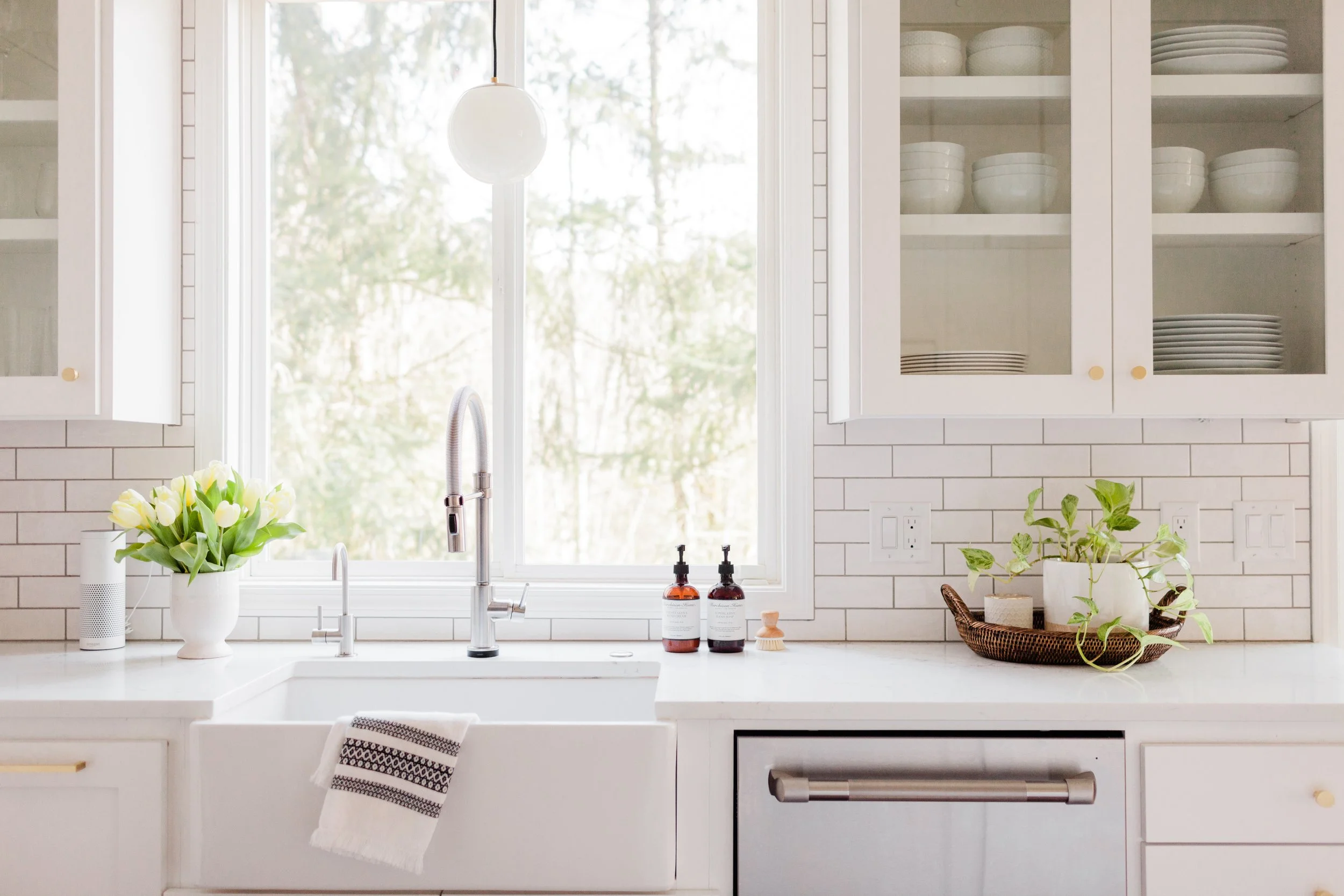
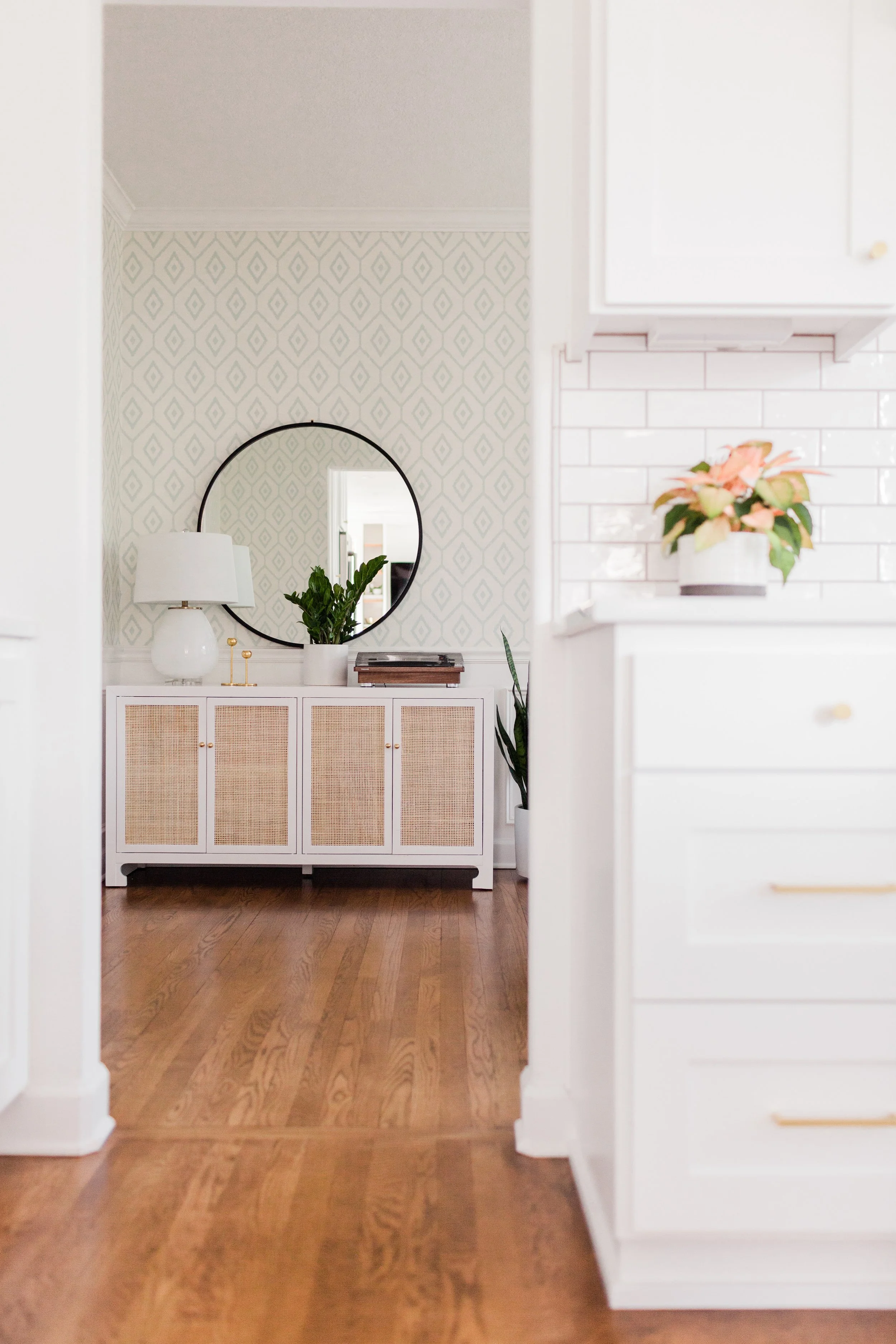
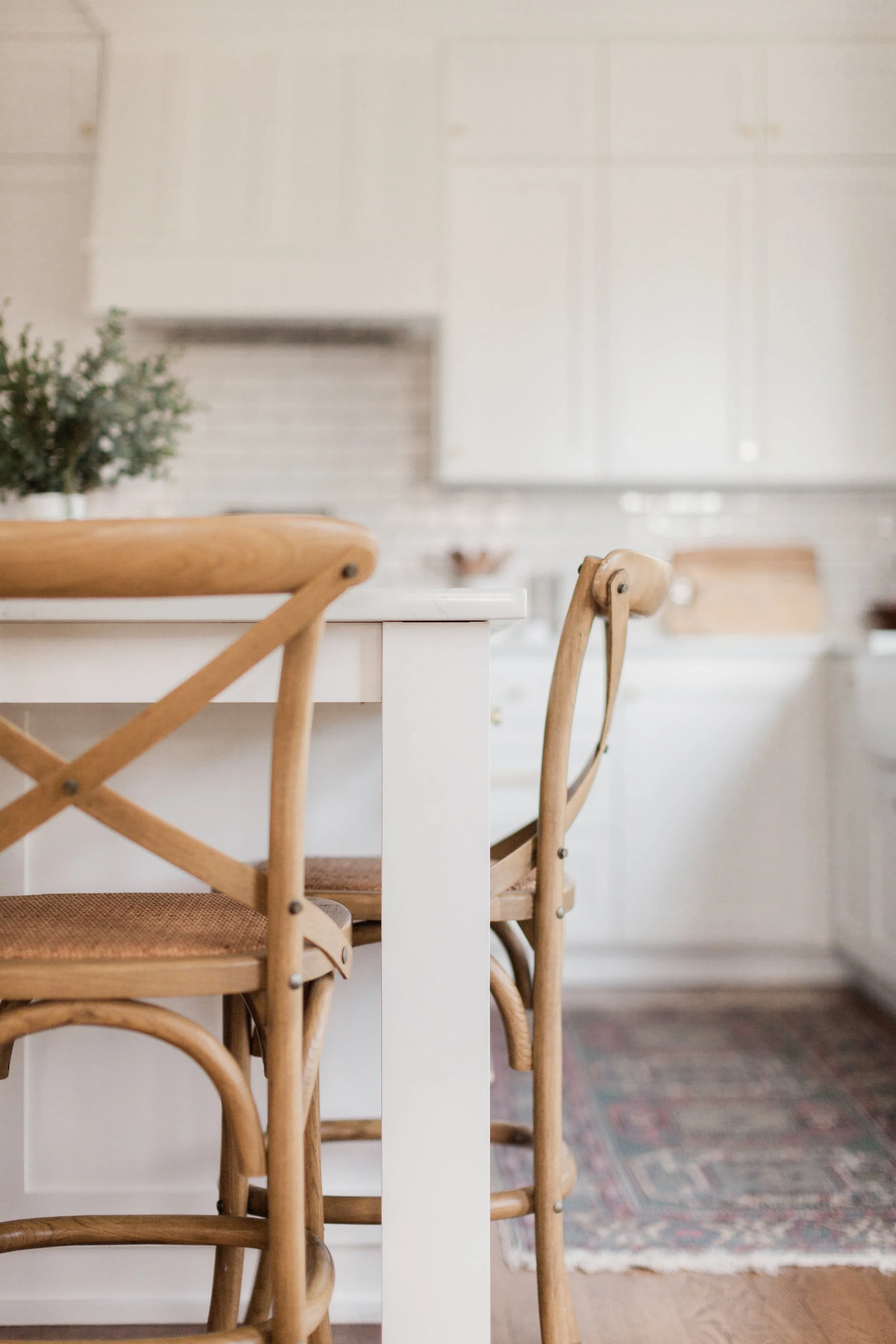
White cabinetry and quartz surfaces reflected the abundant natural light coming through the windows. An elongated white subway tile brought subtle texture without adding visual noise. Glass-front cabinets kept the upper cabinetry from feeling heavy, while warm brass hardware, wood floors and natural wood furnishings prevented the white palette from becoming sterile.
I wanted the kitchen to feel appropriate to the traditional architecture of the house without becoming overly traditional itself — classic, warm and enduring, with just enough modernity to keep it fresh.

TRADING FRICTION FOR EASE
Making Room for Everyday Life
Some of my favorite parts of the finished kitchen aren't necessarily the dramatic ones.
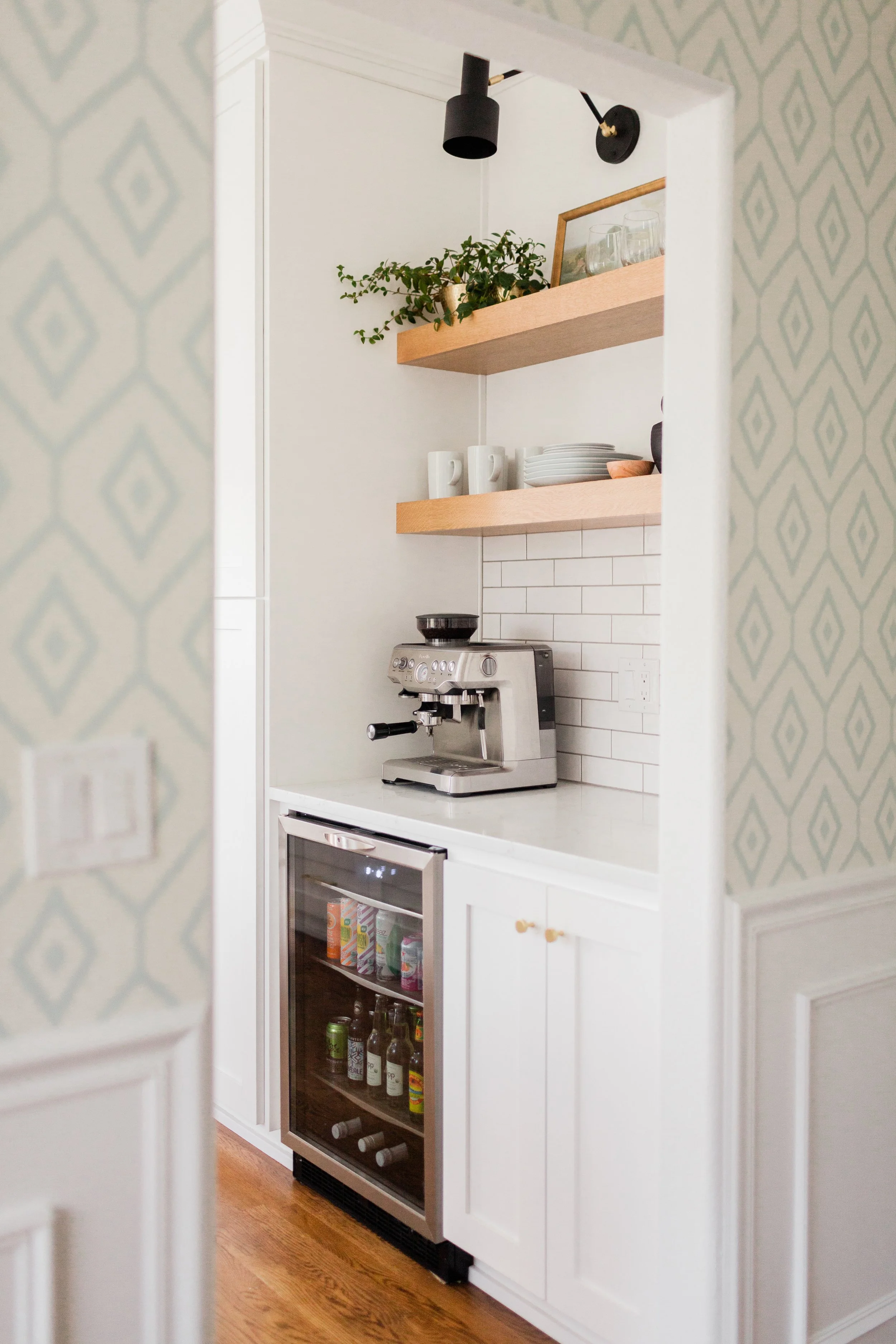
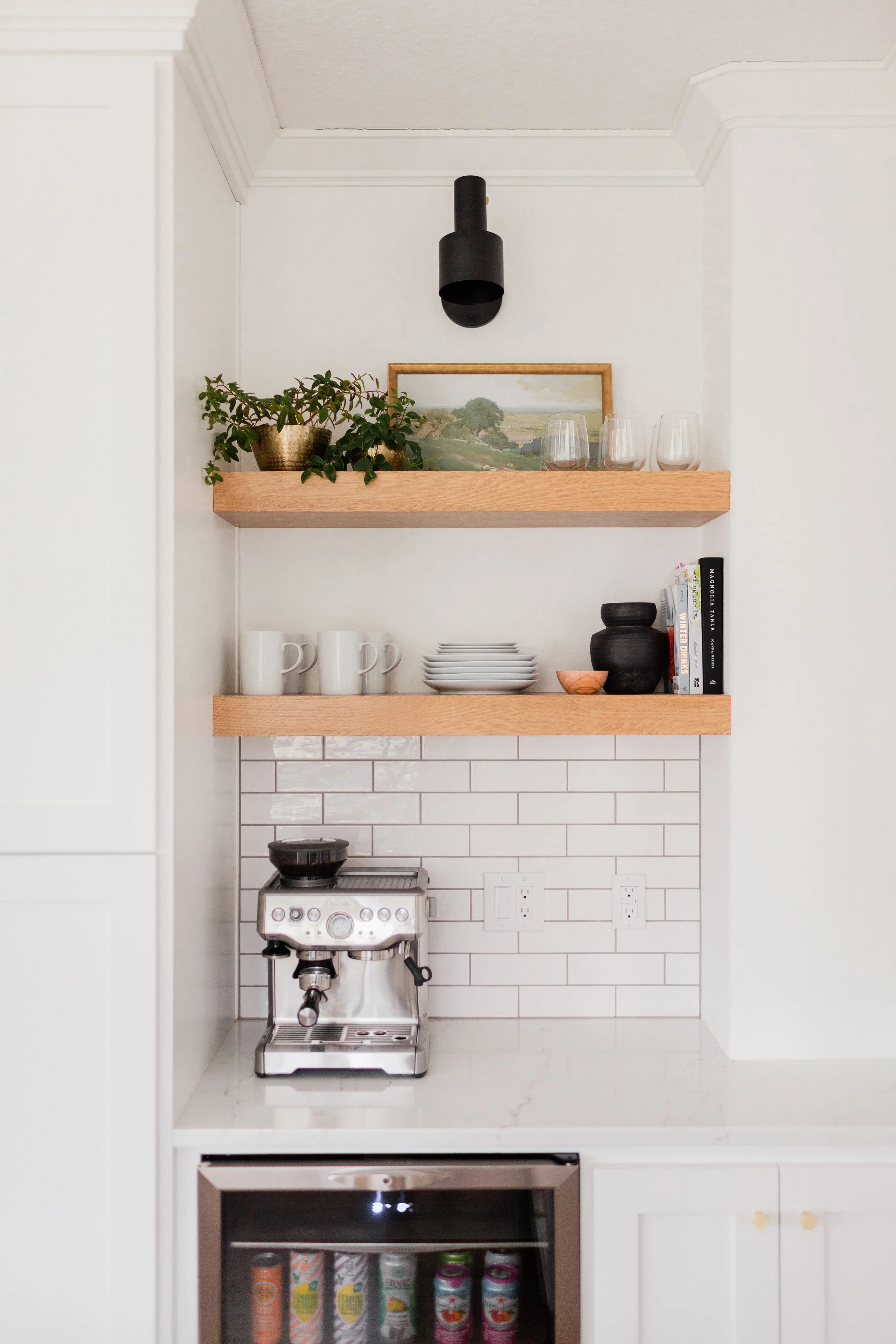
A tucked-away beverage refrigerator. Open oak shelves for mugs, dishes and the things we reached for constantly. A dedicated place for the espresso machine. Seating where someone can pull up a chair while another person cooks.
These are small interventions. But collectively, they change how a home feels to live in.
Friction in a space lets us know something is off, while a well-designed kitchen elicits ease. The thing you need is where you expect it to be. Someone can open the refrigerator without colliding with the person cooking dinner. Children can sit safely nearby without interrupting the work zone.
The home quietly supports, sometimes without our awareness.


This project eventually received quite a bit of attention, including a multi-page feature in Oregon Home Magazine. It was an exciting moment because the article focused not simply on the visual transformation, but also on the thoughtful design behind its functionality.
Looking back now, the title feels especially meaningful, as my design business grows its personal philosophy of blending beauty and function.
Ready to rethink your space?
A beautiful kitchen is only part of the equation. The best ones are designed around the people who actually live there—their routines, needs, habits and the way they want home to feel.
If your kitchen isn’t quite working for the life happening inside it, I’d love to help you imagine what could.